Spring 2026
Complete Fragments: Preserving the emphemeral history of broadcast television | 6 February 2026
Television has historically been a medium defined by its transience. For decades, it flickered into existence in living rooms across the world, only to disappear the moment the broadcast ended. Even when recording technology emerged, the economics of the medium meant that preservation was rarely a priority. Magnetic tapes were expensive, storage was limited, and the content itself was often considered disposable—mere entertainment, not culture worthy of safeguarding. Entire seasons of beloved programmes, historic broadcasts, and cultural touchstones were simply erased, the tapes wiped clean and reused for the next production. What remains today are fragments, remnants of a vast broadcasting history that has largely vanished.
The historical television archive, therefore, is often a collection of fragments—what survived by accident, institutional decision, commercial value, or the passionate determination of individuals who recognised that these broadcasts mattered.
‘Complete Fragments: Screening Fragments from the TV Archive’ invited audiences on a journey through this fragile, fragmentary world. Television presented not mere historical curiosities but a critical examination of what TV archives are, how they function, and what they reveal about the priorities, politics and economics that determine what gets preserved and what is lost forever.
The Materiality of Television Archives
Working with television archives means confronting the very materiality of the medium. Television exists across multiple formats and technologies, each with its own vulnerabilities. Videotapes in obsolete formats, TV treated as disposable with tapes erased, technical complexities (timecode issues, broadcast standards)—each generation of broadcasting technology presents preservation challenges. The screenings highlighted these material realities, asking audiences to consider not just what they’re watching, but how it survived, in what form, and at what cost.
This focus on materiality also addressed questions about remediation—how archival television footage is repurposed, recontextualised and given new meaning in contemporary works. The archive is not simply a repository of dead media; it’s a living resource that can be activated creatively and critically. Tonight’s programme demonstrated how filmmakers and scholars are doing precisely that, transforming fragments into new narratives that speak to present concerns while honouring historical complexity.
A Comparative Approach to Archival Practices
What made the evening particularly compelling was its comparative perspective. Rather than presenting a single national story, the programme drew from diverse contexts—the UK, Brazil, the United States and Italy—each with distinct broadcasting histories, funding models and archival philosophies. This comparative framework revealed that there is no universal approach to television preservation. A clip preserved might be left orphaned awaiting activation. A programme considered culturally significant by a national archive might be commercially worthless in a market-driven system and therefore abandoned.
The material from national institutions demonstrated how public broadcasting systems with dedicated archival mandates approach preservation differently than commercial networks focused on profit. Regional archives and specialist collections like LUX often preserve material that might otherwise have disappeared entirely, filling gaps left by larger institutions. In countries where television industries are predominantly commercial and national archives are underdeveloped or non-existent, preservation becomes a matter of individual initiative or pure chance, sometimes subject to what Jacopi Rasmi calls ‘pirate care’.
These different approaches reflect deeper questions about cultural value: Who decides what television is worth preserving? Is it the state, the market, academic institutions or passionate individuals? How do copyright restrictions, institutional gatekeeping and financial barriers shape not only what’s preserved but who can access it? The screening of different materialities from the archive invited the audience to consider these questions across multiple national contexts, revealing both the challenges of television archiving and the specific historical and economic factors that shape preservation priorities.
Three Approaches to the Archive
The programme was divided into three thematic sections, each offering a different lens on television archives and their contemporary uses.
Activating the Archive focused on curatorial practice and artists’ moving image on Channel 4. Nicole Atkinson’s presentation examined the fragmented archival histories of experimental broadcast work, demonstrating how new connections can be drawn between archival materials, broadcast histories and contemporary audiences. This section raised questions about how archives can be activated—not merely preserved but made meaningful and accessible for present-day engagement.
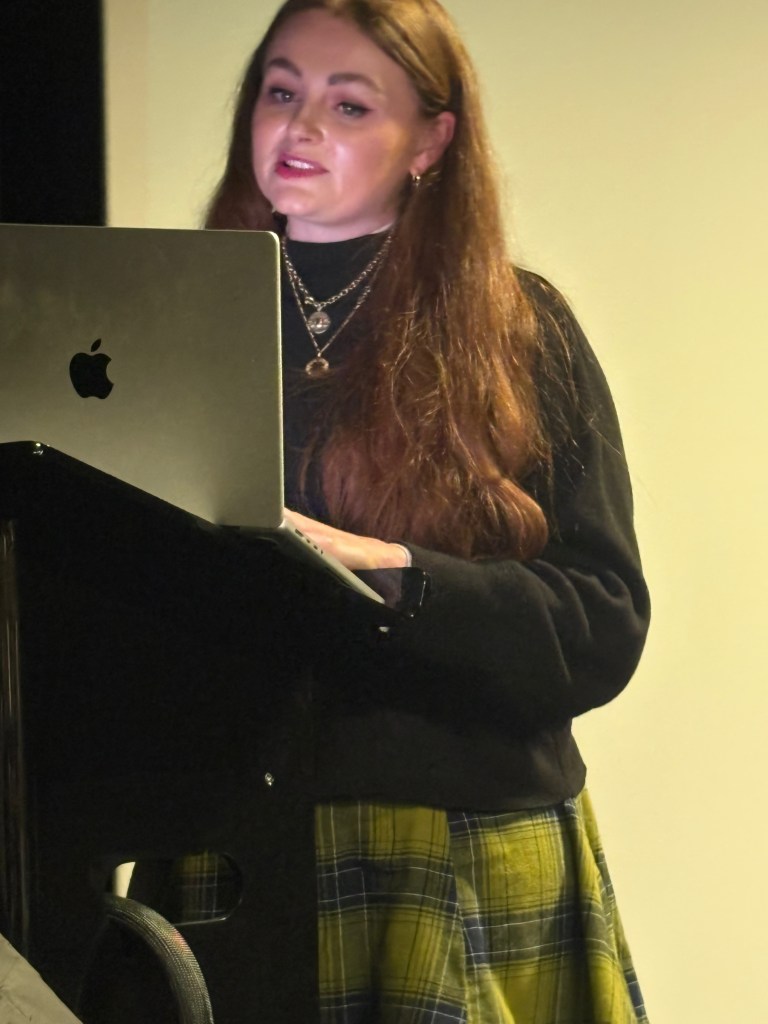
Archival Extractions presented material from Italian and Brazilian television archives, introduced by leading TV scholars Luca Barra and Esther Império Hamburger. The Italian content from the ATLas project showcased privately-owned local TV channels operating in Italy from 1976-1990, including variety shows, game shows with puppets, and hyper-local programming, to reveal the diversity of regional television culture. The Brazilian material featured from Cinemateca Brasileira, TV Tupi’s Beto Rockfeller (1968), a groundbreaking telenovela that broke from traditional formats by depicting contemporary São Paulo with experimental visual sequences. Alongside this is contextualising newsreel footage of Nelson Rockefeller, whose name inspired the protagonist’s ironic alias and reflected American cultural influence on Brazilian media. These extractions demonstrated how archival fragments can illuminate specific cultural moments, production innovations and transnational media flows.
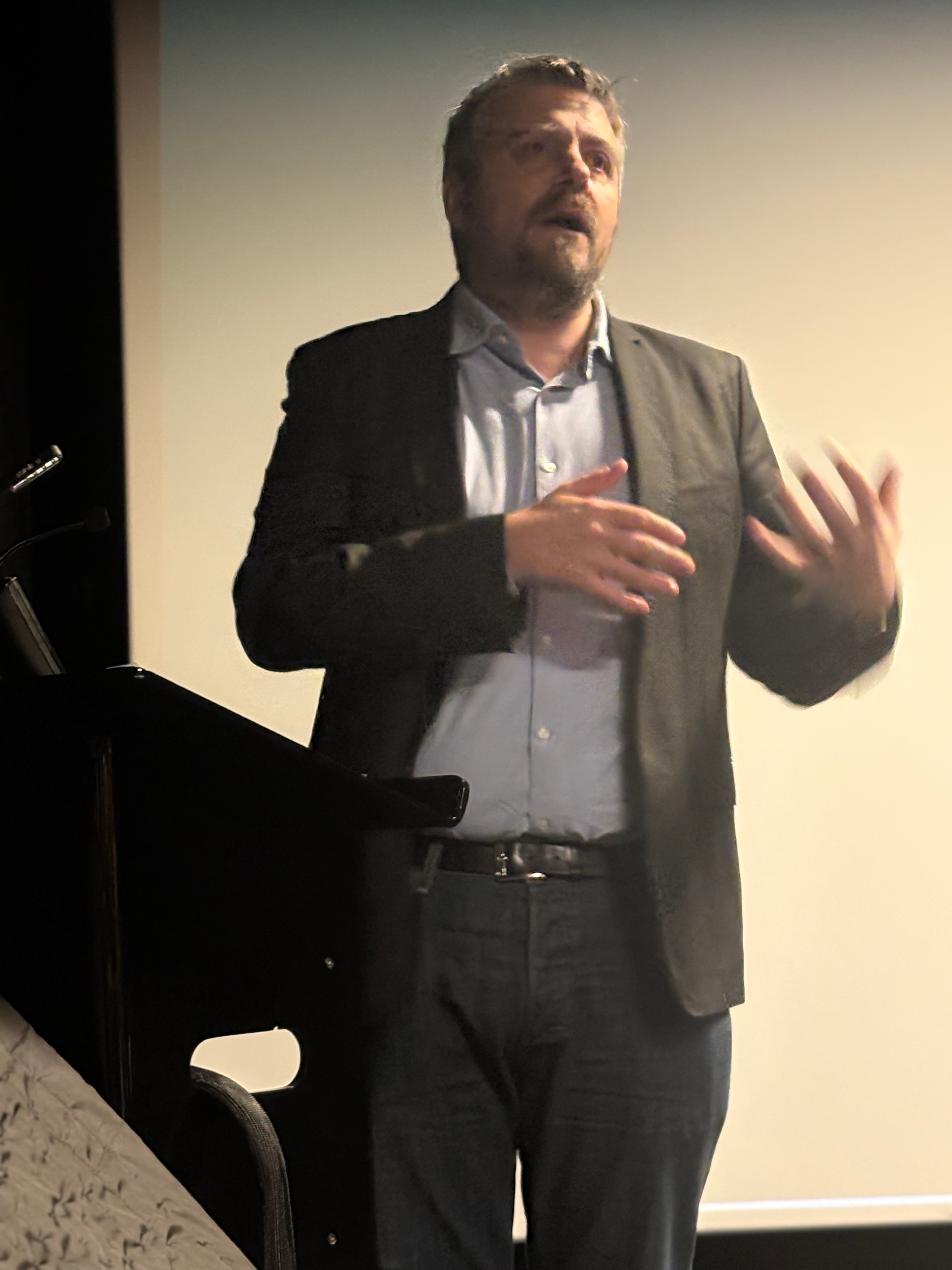
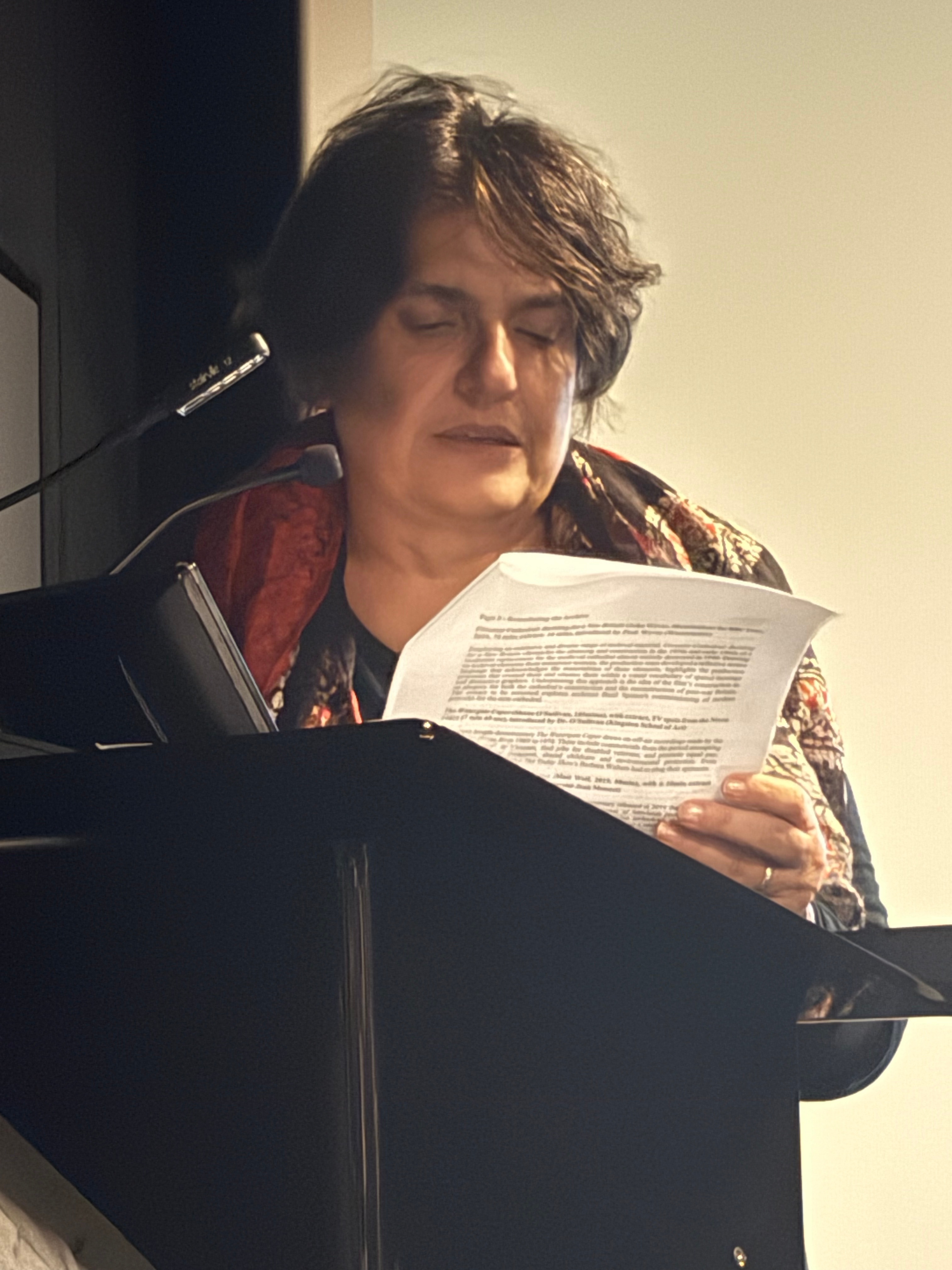
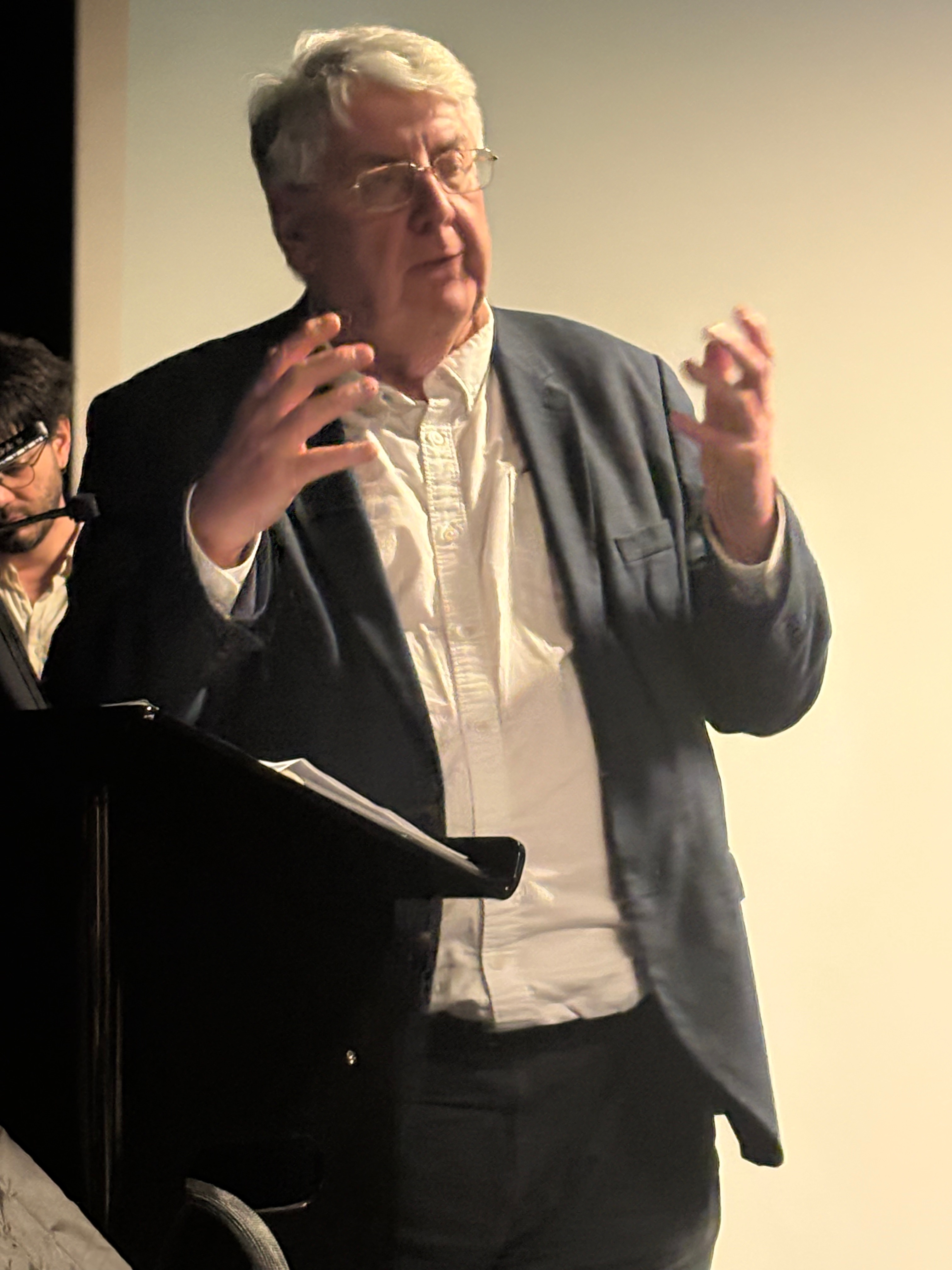
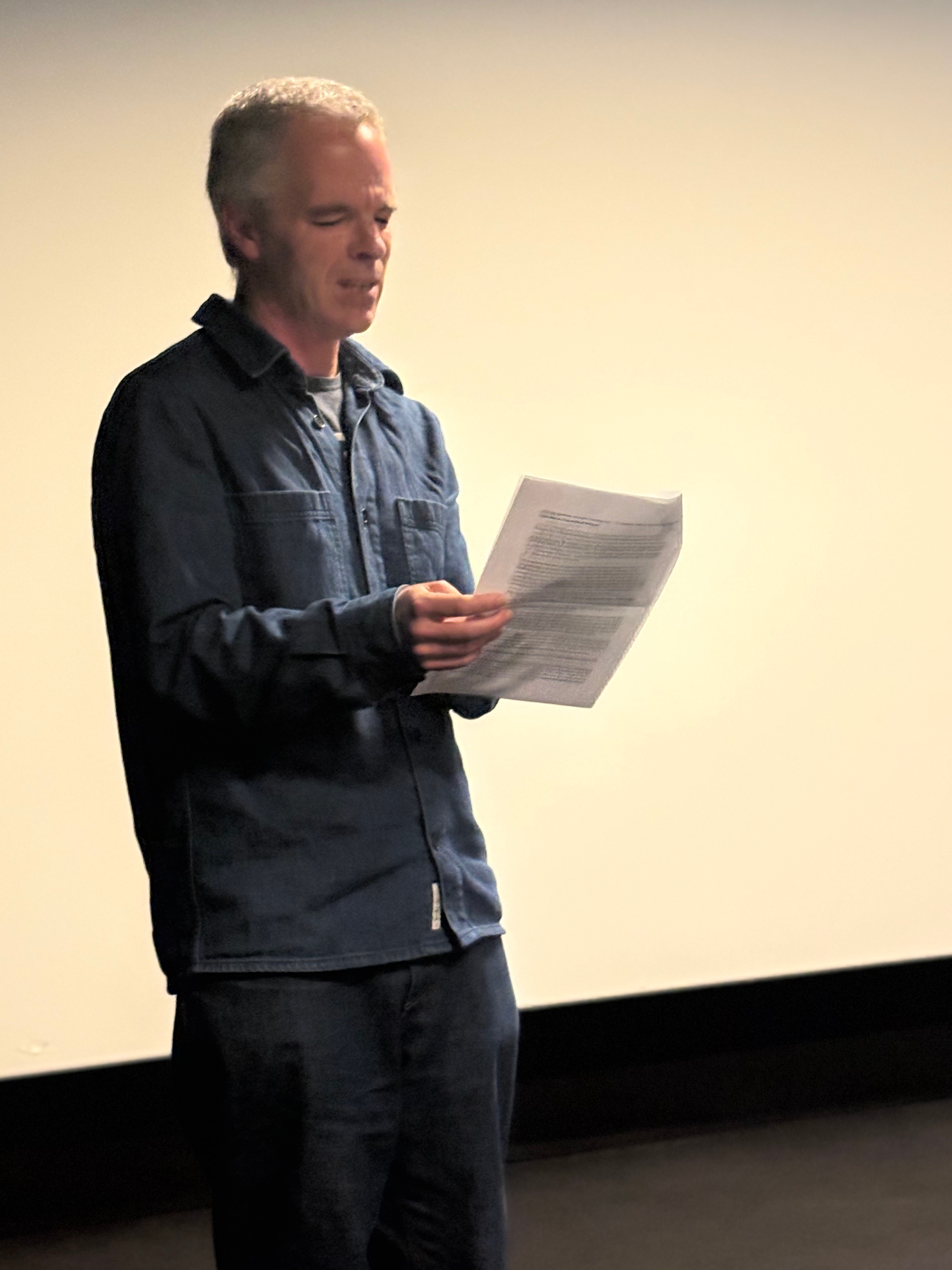
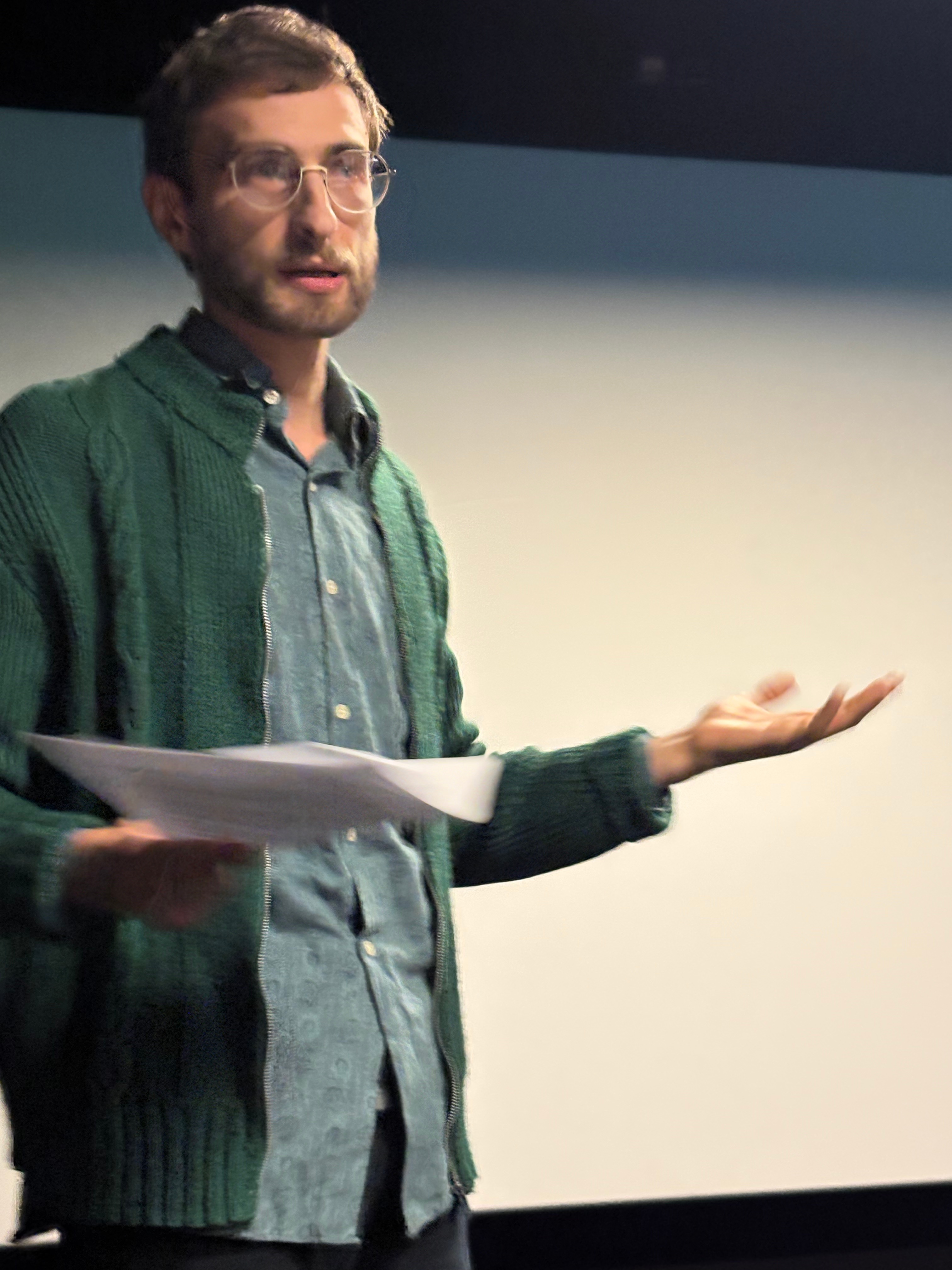
Remediating the Archive examined contemporary documentary practices that creatively reuse television archives. John Wyver’s Coventry Cathedral: Building for a New Britain (2021) employs reflexive screen language and spatial montage to make archival materiality visible, constructing the film itself as an allegory for post-war reconstruction. Shane O’Sullivan is completing his documentary, The Watergate Caper: Richard Nixon and the Death of the American Dream, which repurposes Nixon-era off-air recordings and period commercials to reveal the social and political messaging embedded in 1969-1974 American television—and for us, he shared US TV commercials transmitted during the 1968 US election. Matt Wolf’s Recorder: The Marion Stokes Project (2019) uses found footage and interviews to chronicle Marion Stokes’ pioneering preservation efforts, exploring the origins of her compulsive mission to record television history from the late 1970s onward. An extract of a recording from around the Iran crisis of 1979 was introduced by Jacopi Rasmi. These works demonstrate distinct approaches to remediation, from making the archive’s materiality part of the narrative to using archival footage as evidence of broader social and political contexts.
What’s Missing Matters
Perhaps the most important theme running through the evening was attention to absence. Every clip screened represents countless hours of television that no longer exist. Every preserved programme points to decisions made about what was worth saving—and what wasn’t. The archive is shaped by funding constraints, political priorities, commercial interests and individual passion. It is never neutral, never complete.
As audiences watched these fragments, they were invited to think about what’s missing as much as what’s present. What kinds of programming were deemed unworthy of preservation? How do the gaps in television archives reflect broader patterns of cultural marginalisation and historical erasure?
The evening’s screening programme and subsequent discussion created space for these critical reflections. Through diverse materials and expert introductions, audiences encountered not just the fragments that survived but the complex systems—institutional, economic, political, personal—that determined their survival. In celebrating what remains, we also acknowledged everything that was lost, and committed ourselves to more thoughtful, inclusive and sustainable approaches to preserving television’s fragile history for future generations.
Television archives of old analogue TV are incomplete, fragmented and shaped by forces beyond the control of any single institution or individual. But within these fragments lie stories worth telling, histories worth preserving, and creative possibilities worth exploring. ‘Complete Fragments’ addresses both the limitations and the potential of television archives, inviting audiences to see these remnants not as failures of preservation but as opportunities for critical engagement with our mediated past.
prepared by Dr. Janet McCabe
This event was held in collaboration with the TV Studies Working Group

Autumn 2025
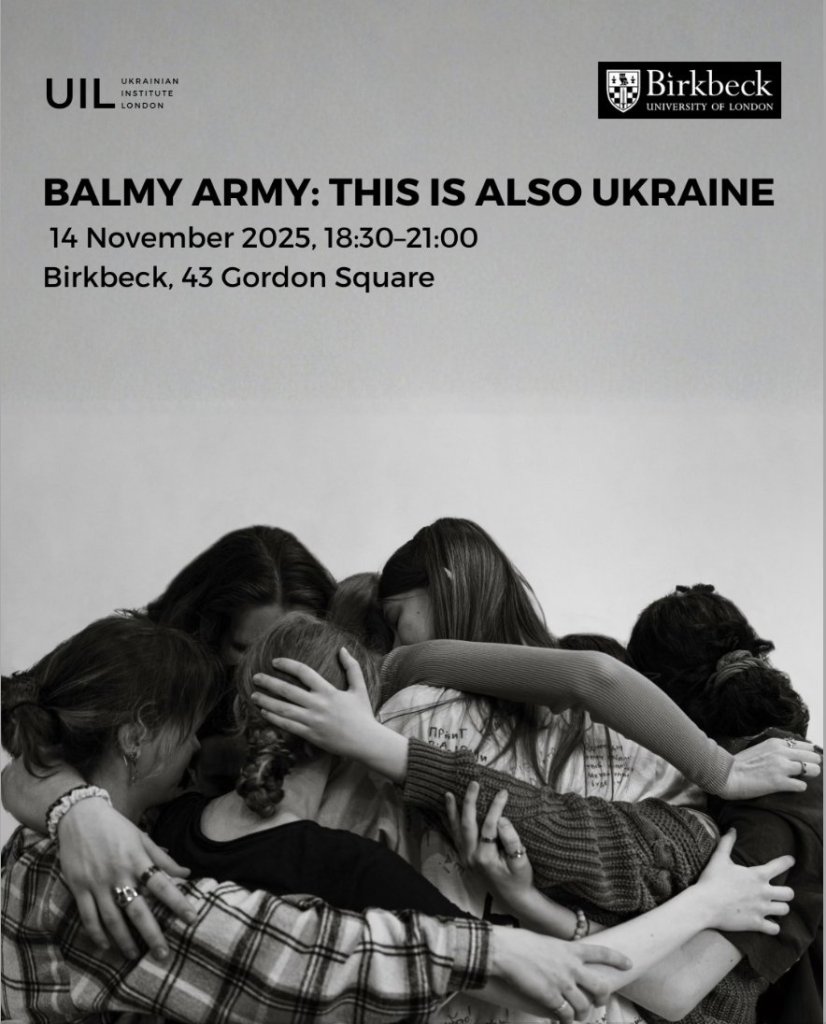
Balmy Army: This is Also Ukraine | 14 November 2025
Daria, Hanna, Kira, Olexa, Rost, Sasha, Vlada, Vlada, Vesna and Zakhar are ten teenagers who like Radiohead, making art, swimming, dating, watching films and hanging out with their friends. They also live close to the front line. This is also Ukraine is a poetic, patchwork film of their lives from their point of view: unfiltered, normal and equally extraordinary.
Facing straight to camera and with a simple sincerity, the group of ten Ukrainian teenagers who created the documentary This is Also Ukraine end the film with a series of questions posed directly to their international audiences. What feels like home to you? Who were you when you were sixteen? Will you tell your loved ones about those Ukrainian teenagers whose lives you saw? Are you afraid to think about your future? What about ours?
A collage of moving imagery, poetry, music and memoir, This is Also Ukraine offers a glimpse into the lives of young people growing up close to the frontlines of Russia’s war against Ukraine. Haunted by the war and all the violence and uncertainty that comes with it, one of the most striking things about the film is how universal the stories are. Showing footage from their hometowns shot in portrait mode on their phones, the filmmakers share their anxieties, hopes, and ambitions about their future, their relationships, and their lives. They dance, they lip sync, they laugh. They are themselves in all the familiar and evocative energy that is adolescence.
The project was facilitated by a group called ‘Art Therapy Force’ under the directorship of Veronika Skliarova. The group leads Ukraine’s efforts to develop new models of creative practice that serve as therapeutic spaces for people whose lives are impacted by the war. They work with young people, veterans, cancer patients, displaced people and more.
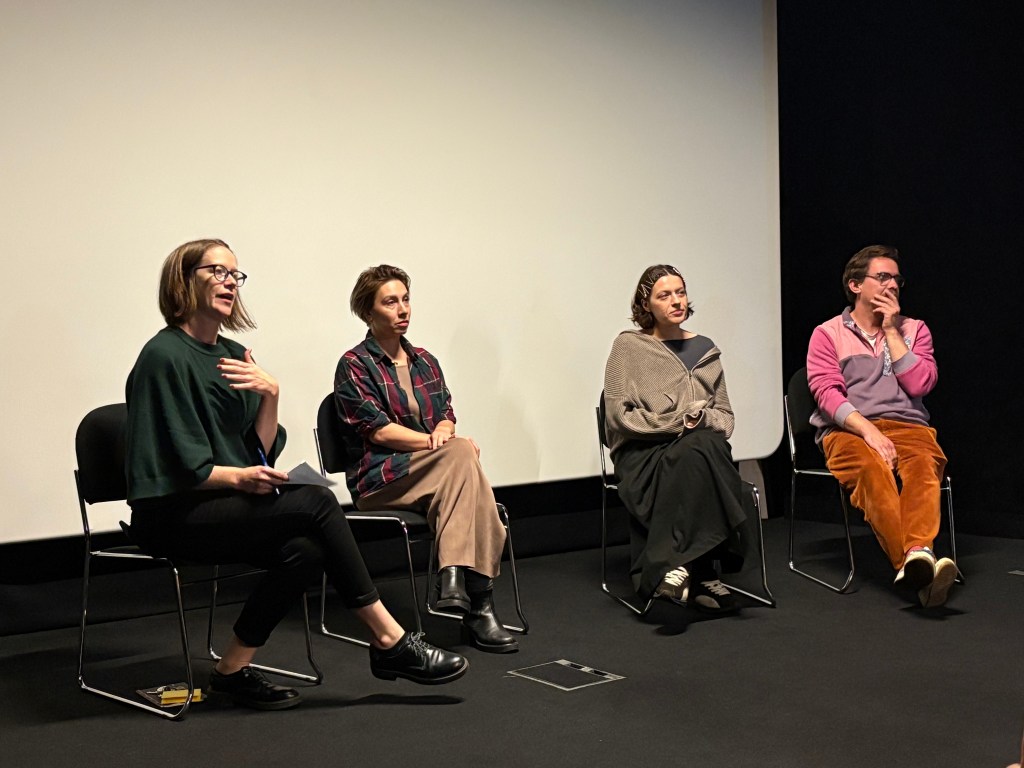
In this instance, the young people participated in a ten-day workshop held in the relatively safe space of the Carpathian Mountains. Sleeping through the night without being woken up by air raid alarms was a key part of the project’s therapeutic potential. The workshop was led by UK-based artist James Leadbitter aka the vacuum cleaner who also spoke at the screening along with the film’s editor and one of the project mentors Kateryna Krokha.
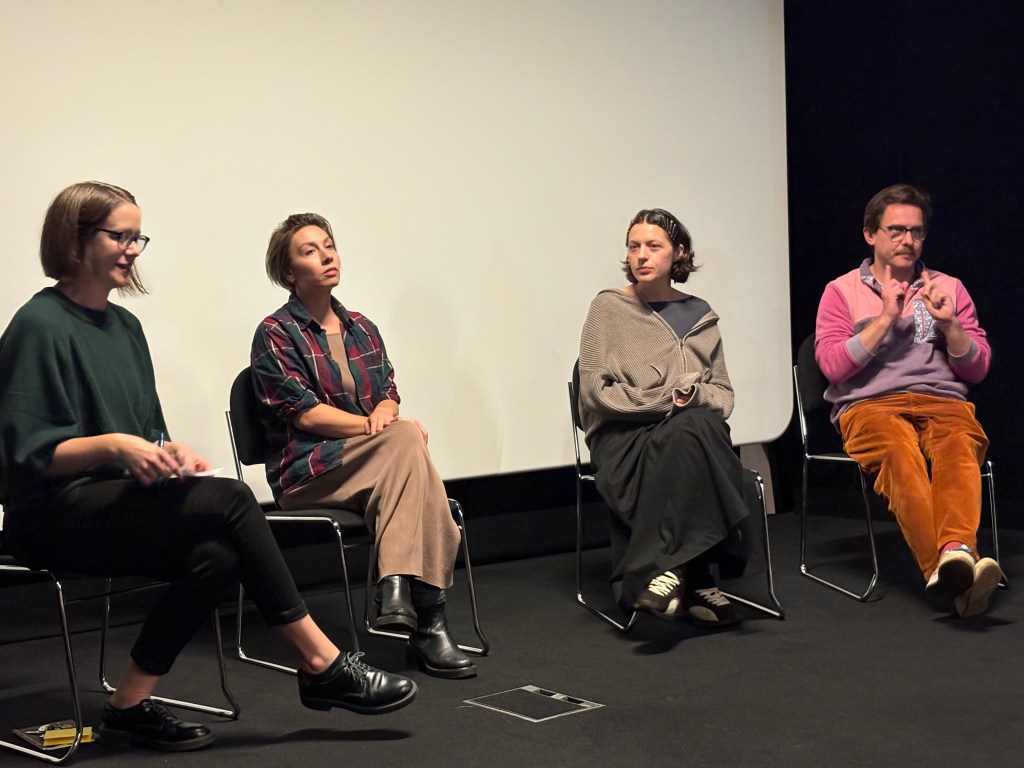
Leadbitter, Skliarova and Krokha spoke with remarkable care and eloquence about the work. They spoke about how they sought to create a lighthearted space in which the film’s creators could be themselves, could feel connected to one another, and could trust that they’re experiences would in some ways be heard. They’re recollections of the process reflected both the heaviness of the reality these kids are facing and, perhaps more surprisingly, the palpable joy that emerged from their time together.
As we approach the four-year anniversary of the full-scale invasion in February 2022 and 11 years of Russia’s war in Ukraine with its annexation of Crimea in 2014, this film asks international audiences to really look at the generations of young people who are living their whole childhoods, teenage years and beyond under war time conditions with no reliable end in sight. Together with the troubled ‘peace negotiations’ unfolding between the Trump administration and the Kremlin, it’s enough to make you wonder – how afraid should we be to think about their future, and ours?
This is Also Ukraine was made in collaboration with Art Therapy Force. Balmy Army, a project of James Leadbitter aka the vacuum cleaneris funded by the British Council’s International Collaboration Grants and using public funding by Arts Council England. The screening was made possible by Birkbeck Centre for Interdisciplinary Research on Mental Health, Birkbeck Institute of the Moving Image, and Birkbeck Centre for Contemporary Theatre in partnership with Ukrainian Institute London.
Prepared by Dr. Molly Flynn
 Birkbeck Institute for the Moving Image